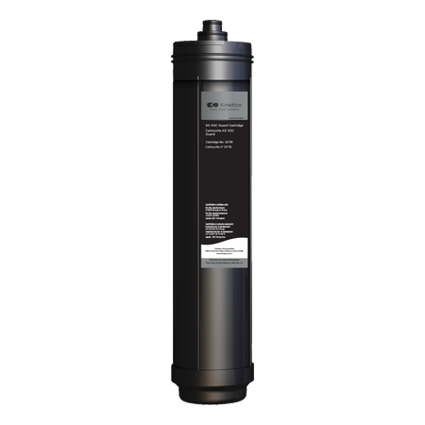

Volatile Organic Compounds, or VOCs, are organic chemicals that have extremely low boiling points, causing them to become gases and vapors very easily in their surroundings.
Special Notice: Replacement cartridges purchased online (Amazon or other retailers) are not approved or certified for use with Kinetico products, may not perform to specifications, and their use will void your product warranty.
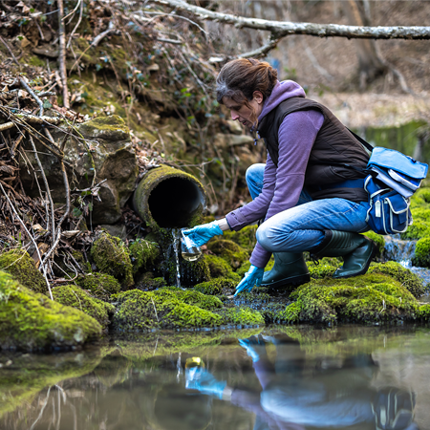
Volatile Organic Compounds, or VOCs, are organic chemicals that have extremely low boiling points, causing them to become gases and vapors very easily in their surroundings. VOCs are used to produce many common household products, so our exposure to the chemicals is almost certain. VOCs include a long list of chemicals that can affect air quality and water quality. The following list includes the most common ones found in drinking water:
Trihalomethane: Trihalomethanes are VOCs that form as a byproduct of disinfection during the water treatment process. These are caused by a reaction between chlorine and organic compounds that naturally exist in the water. Trihalomethanes are most common in city water treated with chlorine, but they can also be found in shallow well water that is disinfected using chlorinated chemicals.
Perchloroethylene: Perchloroethylene is a chemical solvent that is commonly used for cleaning, particularly in dry cleaning. It is often seen in stain removal solutions and products used to lubricate surfaces.
Methyl tert-butyl ether (MTBE): Methyl tert-butyl ether (MTBE) is a liquid chemical that is often used as an additive in gasoline. It can increase oxygen levels in the gasoline, helping to reduce pollution caused by gasoline emissions. MTBE is banned in several states due to concerns about groundwater contamination.
Volatile Organic Compounds can be found in city water as a result of disinfection. When chlorine is used to kill harmful bacteria that can cause waterborne illness, a chemical reaction with other substances in the water can occur, forming VOCs, like trihalomethane. VOC's can also be in groundwater due to improper disposal of waste from factories, chemical spills and even runoff from areas near factories.
The EPA requires municipal water suppliers to produce an annual Consumer Confidence Report detailing the water quality, including potential contaminants, like VOCs, and their potential health effects. You can find your local Consumer Confidence Report using the EPA’s website.
There are other resources you can check for contaminants in your city water, like the Environmental Working Group’s (EWG) tap water database. The EWG database is broken down by location and has a list of contaminants, including VOCs, that can be found in tap water.