

Sediment is made up of soil particles that have been detached from the land by a process called erosion. In many parts of the US, sediment can be found in a variety of ways in water due to processes such as erosion and water traveling through nature.
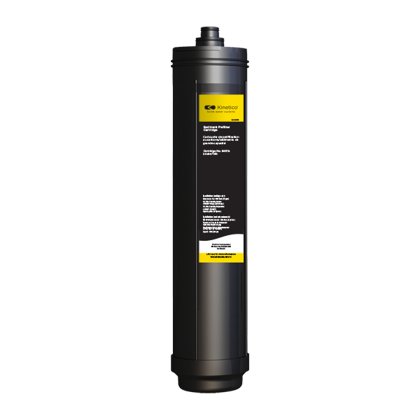
While Sediment is a commonly found contaminant of water, it poses little to no health risk. Read more about what our sediment prefilter does below
Special Notice: Replacement cartridges purchased online (Amazon or other retailers) are not approved or certified for use with Kinetico products, may not perform to specifications, and their use will void your product warranty.
Sediment is made up of soil particles that have been detached from the land by a process called erosion. Typically, water is the primary cause of erosion, and sediment is often dislodged by rainwater and transported by stormwater runoff. Sediment can range in size from small, pea-sized gravel to tiny soil particles, less than 2 millimeters in diameter, and is present in both native soil and some materials used for building unpaved roads, driveways, and farm lanes. Consequently, the source of sediment can be from bare soil from construction sites or farm fields, poorly maintained dirt and gravel roads, or degrading stream banks. Any soil that is not protected from rainfall or runoff may be vulnerable to erosion and become a source of sediment pollution. Raindrops that fall from the sky have enough force to dislodge soil particles from uncovered soil. Rain that is not absorbed into the ground becomes stormwater runoff and flows downhill, building momentum and picking up unprotected sediment until it reaches a waterway such as a stream, river, lake, or pond. (Danielle Rhea, Penn State)
The Sediment filter is primarily used in homes with well water, as most homes with city-supplied water have levels of sediment reduced by the water distribution plants. The Sediment Prefilter cartridge is designed to reduce sediment content during the pre-filtration stage.
Reverse osmosis filtration is often referred to as one of the most effective ways to reduce contaminants in your water, such as mercury, PFAS, total dissolved solids (TDS), and more. The FlexFilters offered with the K5 Drinking Water Station help to provide a wider, case-specific blanket of protection for your home's drinking water.
Filters like our Chloramine Guard are made specifically to target and reduce levels of chloramine that can be found in municipal water. Over 1/3 of the municipal water in the US is filtered using chloramine, meaning trace amounts are found more often than not. While it's not deadly, it can cause issues over time, especially if your water contains a significant amount.
The K5 Drinking Water Station can have our Mineral Plus filter added in tandem with our post filter. Reverse Osmosis filtration is sometimes considered "too strong", in that the process even reduces levels of "healthy" minerals that can naturally be found in our water. This filter is designed to add minerals such as magnesium and calcium back into the purified water, while keeping the same cleaner, more refreshing taste and high-quality.