

Chloramine is an inorganic compound created by combining free chlorine – the type of chlorine typically found in municipal water – with ammonia. It cannot be purchased and must be created onsite at water treatment facilities. It is more stable chemically than chlorine and retains its effectiveness for a longer period of time within water distribution systems.
Special Notice: Replacement cartridges purchased online (Amazon or other retailers) are not approved or certified for use with Kinetico products, may not perform to specifications, and their use will void your product warranty.
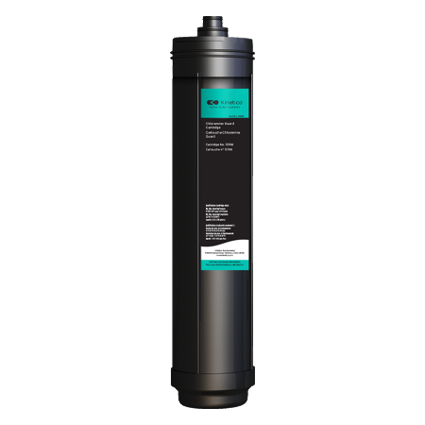
Chloramine is an inorganic compound created by combining free chlorine – the type of chlorine typically found in municipal water – with ammonia. It cannot be purchased and must be created onsite at water treatment facilities. It is more stable chemically than chlorine and retains its effectiveness for a longer period of time within water distribution systems. It also produces lower levels of DBPs in distribution systems. As a result, chloramine is emerging as the best available technology for public water disinfection. Chloramine is regulated by the US EPA, with a maximum contaminant level of four mg/L (ppm).
In the last decade, chloramine use for disinfection has nearly doubled, with an estimated 35-40 percent of municipalities using chloramine. Some municipalities occasionally switch between disinfecting with chlorine or chloramine, depending on temporary changes in water conditions and the market cost of the disinfectant. Industry analysts expect the growth trend in chloramine usage to continue.
For most people, chloramine in drinking water is considered safe at the levels allowed by U.S. regulations. The Environmental Protection Agency (EPA) sets limits on how much chloramine can be present in public water systems to protect human health. That said, some homeowners notice changes in taste or odor when chloramine is used. It can also be more noticeable in hot water, such as during showers.
While chloramine is not typically a health concern for the general population, it can be an issue for certain situations. It is harmful to fish and aquatic life, so it must be removed from water used in aquariums or fish ponds. It may also cause skin or eye irritation for people with sensitivities. In addition, chloramine can be harder to remove than chlorine and may be more persistent in household plumbing.