

Arsenic is a naturally occurring, tasteless, colorless, and odorless element that is primarily found in ancient rock formations. It can also enter the environment as a by-product of burning coal, mining, or copper smelting. Long-term exposure to arsenic, even at low levels, can be harmful to human health. While showering, bathing, or cleaning with arsenic-contaminated water is unlikely to cause adverse effects, drinking or cooking with contaminated water can increase the risk of cancer, skin lesions, and cardiovascular or developmental issues.
Special Notice: Replacement cartridges purchased online (Amazon or other retailers) are not approved or certified for use with Kinetico products, may not perform to specifications, and their use will void your product warranty.
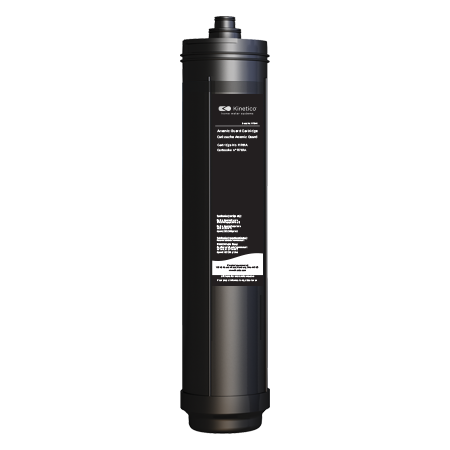
Arsenic is a naturally occurring, tasteless, colorless, and odorless element that is primarily found in ancient rock formations. It can also enter the environment as a by-product of burning coal, mining, or copper smelting. Additional sources include wood preservatives, petroleum production, semiconductor manufacturing, animal feed additives, and certain arsenic-containing pesticides. In groundwater, arsenic can combine with other elements to form toxic inorganic compounds, which can pose serious health risks if ingested over time.
Long-term exposure to arsenic, even at low levels, can be harmful to human health. While showering, bathing, or cleaning with arsenic-contaminated water is unlikely to cause adverse effects, drinking or cooking with contaminated water can increase the risk of cancer, skin lesions, and cardiovascular or developmental issues. The Environmental Protection Agency (EPA) has set the maximum contaminant level for arsenic in public water supplies at 10 parts per billion (ppb).
Municipal water utilities work hard to maintain safe drinking water, but if you rely on a private well, you are responsible for ensuring the quality of your home’s water. Regular water testing is essential to identify arsenic levels, and installing certified water treatment equipment—such as reverse osmosis systems or specialized arsenic filters—can effectively reduce arsenic contamination and provide safer, cleaner drinking water for your household.
Reverse osmosis filtration is often referred to as one of the most effective ways to reduce contaminants in your water, such as mercury, PFAS, total dissolved solids (TDS), and more. The FlexFilters offered with the K5 Drinking Water Station help to provide a wider, case-specific blanket of protection for your home's drinking water.
Filters like our Chloramine Guard are made specifically to target and reduce levels of chloramine that can be found in municipal water. Over 1/3 of the municipal water in the US is filtered using chloramine, meaning trace amounts are found more often than not. While it's not deadly, it can cause issues over time, especially if your water contains a significant amount.
The K5 Drinking Water Station can have our Mineral Plus filter added in tandem with our post filter. Reverse Osmosis filtration is sometimes considered "too strong", in that the process even reduces levels of "healthy" minerals that can naturally be found in our water. This filter is designed to add minerals such as magnesium and calcium back into the purified water, while keeping the same cleaner, more refreshing taste and high-quality.